The Gaza Strip is witnessing a series of war crimes and serious violations, such as heavy shelling and targeting of civilian infrastructure, as well as a suffocating blockade and denial of humanitarian access, which has led to catastrophic humanitarian, health and environmental conditions. The practices in Gaza are not only war crimes, but also crimes against humanity, due to the deliberate killing of civilians, starvation of the population, targeting of health facilities, and forced displacement.
What are the war crimes and abuses in Gaza?
Civilians in Gaza are subjected to mass killings and indiscriminate attacks in densely populated neighbourhoods, and starvation and obstruction of aid are used as systematic pressure tools that have led to a severe humanitarian crisis. Health facilities and medical staff were not spared direct targeting, causing the health system to collapse. In addition, hundreds of thousands of people have been subjected to forced relocation and large-scale displacement to unsafe areas and harsh living conditions. Taken together, these practices reveal a recurring pattern of violations that directly target civilians and constitute a flagrant challenge to international and humanitarian laws.
1) Deliberate killing of civilians and indiscriminate attacks
One of the most serious war crimes and violations in Gaza is the direct or disproportionate targeting of civilians. Widespread reports indicate that thousands of civilians, including a high proportion of women and children, have been killed as a result of aerial and artillery bombardment targeting densely populated areas. Many of the raids destroyed entire residential buildings, targeted schools and shelters that housed displaced people, and bombed markets and crowded areas. These types of attacks cannot be justified by military necessity alone, but are war crimes and grave violations against the Palestinian people in Gaza.
2) Starvation as a method of warfare and aid obstruction
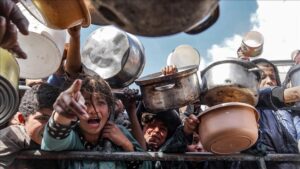
Deliberate starvation of civilians is one of the most serious violations of international humanitarian law, where it is a crime to use hunger as a weapon of war or to destroy resources essential to the survival of civilians. But this is happening in Gaza, where the Israeli army is deliberately preventing the entry of food, fuel and medicine, as well as imposing severe restrictions on the movement of aid within the Strip. Bakeries, farms and food stores have also been targeted or disrupted, resulting in severe food scarcity, high rates of malnutrition and widespread famine, especially among children and women.
3) Targeting health facilities and medical staff
The targeting of health facilities and medical staff is one of the most serious violations in Gaza, where hundreds of incidents have been documented, including the bombing of major hospitals, the destruction of primary health centers, and the targeting of ambulances while performing their tasks. Many of these attacks have forced hospitals to shut down completely or partially, such as Al Shifa Hospital and Al Ahli Arab Hospital, depriving thousands of sick and wounded people of life-saving medical care.
It wasn’t just the facilities, it was the medical staff themselves. Dozens of doctors, nurses and paramedics were killed and injured while on duty, while some were arrested or denied access to their workplaces. This systematic targeting of medical personnel not only deprives civilians of care, but also weakens the health system’s resilience and increases the number of casualties due to a lack of qualified personnel.
Read more about Gaza’s health and humanitarian crisis
4) Forced relocation and large-scale displacement
Hundreds of thousands of civilians, mainly from the northern Gaza Strip and Gaza City, were ordered to evacuate en masse to the south. Despite the claim that the aim was to "protect civilians," these orders came in inhumane conditions: constant shelling, lack of safe corridors, destruction of roads, and lack of transportation. Many families were forced to walk long distances, often under bombardment or threat, resulting in casualties among women, children and the elderly.
This displacement was not temporary but almost permanent, with most residents unable to return to their homes due to massive destruction or continued military operations. As a result, hundreds of thousands have accumulated in overcrowded areas in the south, especially in Rafah and Khan Younis, where informal camps and tents are located, amid severe shortages of water, food and health care.
Read more about Forced displacement in Gaza
Impact of war crimes and violations on civilians in Gaza
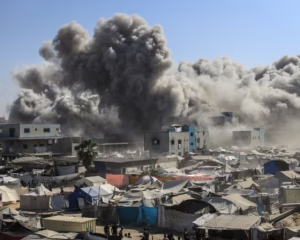
Indiscriminate shelling and repeated targeting of residential neighborhoods have turned civilians into prime targets. Thousands of families lost their members in moments, while survivors suffered permanent injuries or physical disabilities. The constant feeling of insecurity and the daily threat of being bombed or displaced leave profound psychological effects, such as post-traumatic stress disorder, anxiety, and depression, especially in children. The destruction of homes, infrastructure and factories has led to a loss of income and unprecedented levels of unemployment and poverty. As hundreds of thousands have been displaced to overcrowded camps, traditional social ties have broken down and families are living in inhumane conditions that lack privacy and dignity.
Targeting hospitals and obstructing the delivery of medicines and medical aid has resulted in the denial of treatment to the wounded and sick, and increased death rates from diseases that could have been easily treated. Severe shortages of food and drinking water have exacerbated malnutrition and famine and led to outbreaks of epidemics and infectious diseases within the camps. Crimes and violations not only erase the present but threaten the future of civilians. Children growing up in the midst of war and displacement are losing opportunities for education and stability, generating a generation suffering from trauma, frustration and loss of trust in the international community. Targeting cultural and educational infrastructure (schools, universities, libraries) hinders the preservation of cultural identity and weakens the hope of reconstruction.

