
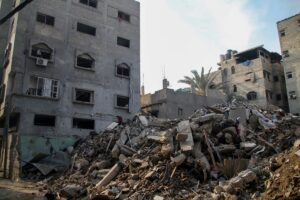
The destruction of the Gaza Strip as a result of war and aggression is a major factor affecting the environment and the general health of its population. The destruction of basic infrastructure, including water, sanitation and sanitation systems, has exacerbated environmental crises, such as water pollution, waste accumulation and agricultural land degradation. This destruction was also directly reflected in the health situation, through the spread of diseases, malnutrition and poor medical services.
What are the main environmental problems facing Gazans after the destruction?
After the great destruction of the Gaza Strip, the environment has become one of the most affected sectors, as the destruction, occupation and siege have affected the quality of life and the general health of the population. Environmental pollution and lack of natural resources have become a direct threat to human, animal and plant health, exacerbating the humanitarian crisis. The environmental problems that people face include water and air pollution, waste accumulation, land degradation, and lack of energy and clean water.
1. Water pollution
Many water treatment plants and sewage systems have been destroyed, causing sewage to leak into underground reservoirs and internal rivers. This caused the spread of intestinal diseases such as diarrhea and typhoid, and led to a scarcity of potable water. High salinity in groundwater also made most of them unsuitable for daily and agricultural use.
2. Waste accumulation and destruction
As a result of the destruction of waste collection stations and road closures, large quantities of solid waste have accumulated in streets and residential areas. This accumulation became a source of insects and germs, increased the risk of infectious diseases, affected the aesthetic appearance of cities and hindered the movement of citizens.
3. Air pollution and dust
Constant shelling and burning of buildings and vehicles increased dust and fine particles in the air, affecting the respiratory health of the population, and increased cases of asthma, allergies and respiratory diseases among children and the elderly. Emissions from the indiscriminate burning of waste have also significantly increased air pollution.
4. Land Degradation
Large areas of farmland were destroyed, and the soil was also affected by chemicals, bullets, and shrapnel scattered as a result of the bombing. This has reduced the productivity of farmland, made agriculture less healthy and economically safe, and led to increased dependence on imported food and humanitarian aid.
Destruction of agricultural land in Gaza
5. Lack of energy and clean water
Electricity and water stations were shut down as a result of the bombing and lack of fuel led to a continuous power outage, which affected the operation of water pumping stations and sewage treatment. This shortage has affected the provision of clean water and safe sanitation, and has increased the prevalence of diseases associated with poor hygiene.
The water and electricity crisis and its consequences for the population in Gaza
6. Chemical Risks of Destruction
Areas of destruction contain explosive remnants and hazardous chemicals, including oils, pesticides, and solvents, posing a risk to children and those involved in clearing rubble. These risks increase the likelihood of poisoning and serious injuries, and pose significant challenges to reconstruction and clean-up efforts.
Impact on the environment in Gaza
How does water pollution and destruction affect public health in Gaza?
The problem of water pollution in the Gaza Strip is one of the most prominent environmental and health challenges after the destruction and the long siege. With water treatment plants and sewage systems shut down, and underground reservoirs contaminated with chemical and biological contaminants, Gaza residents face significant and diverse health risks.
1. Prevalence of intestinal diseases
Drinking water contaminated with bacteria, viruses and parasites increases the incidence of intestinal diseases, such as diarrhea, typhoid, and intestinal infections. These diseases affect all age groups, but are more dangerous for children and the elderly due to weak immunity, and may lead to serious health complications or death in severe cases.
2. Increased cases of food and water poisoning as a result of destruction
Contaminated water contains industrial chemicals and contaminants as a result of shelling or leakage of waste. Consumption or use of this water for food washing leads to food poisoning, digestive disorders, and sometimes chronic liver and kidney problems at long-term exposure.
3. Worsening malnutrition problems
Contaminated water leads to frequent intestinal diseases, which reduce the body's ability to absorb nutrients. This increases malnutrition in children and weakens the adult immune system, making the population more vulnerable to other diseases.
4. Pressure on health system
Increased water-related diseases place a heavy burden on hospitals and health centers, which are often resource-limited after destruction. This makes it more difficult to provide effective health care and delays the treatment of critical cases.

