
The most urgent humanitarian needs of the population of the Gaza Strip are increasing sharply, amid extremely difficult humanitarian conditions. The population continues to suffer from a lack of food, potable water and adequate shelter, while children, women and the elderly face increased risks from cold and disease.
What are the most urgent humanitarian needs of the people of the Gaza Strip?
1. Food: The most important humanitarian needs
Severe lack of food, a large part of the population face catastrophic hunger, in addition to malnutrition among children, a large number of children are undernourished, and this leads to serious health complications, and lack of diversity of nutrients, as some aid focuses on calories only, but balanced nutrients (vegetables, meat, proteins) are very limited.
Read More Israeli Restrictions on Food Security
2. Shelter: The most urgent humanitarian needs
Hundreds of thousands of people have been displaced several times, and overcrowded shelters offer no security or privacy. As winter approaches, people need strong tents, blankets, warm clothes and even heating materials. Many congested sites are not physically or securely secure, and the infrastructure is very damaged.
3. Water, sanitation and hygiene
There is a significant reduction in the supply of potable water, some water lines are damaged, there is a lack of fuel to operate the pumps, and a lack of hygiene items such as soap, detergents, and shampoo, which increases the risk of diseases, especially in overcrowded camps and shelters. Due to damaged infrastructure, some water plants are not functioning or partially functioning, and this increases the risk of infection.
Read More What can we do for Gaza in 2026?
4. Health care
Many hospitals have been destroyed or are not fully functioning, and the remaining facilities are working very hard. The lack of medicines and medical supplies, as essential medicines are missing, blood component units are very low, and therefore many cases cannot be treated efficiently, and the operation of devices, operating rooms, oxygen pumps and others depend on fuel, and the lack of fuel threatens operational capacity, and many children have suffered major psychological trauma such as displacement, destruction, loss of personnel and need for psychological and social support.
5. Fuel and Energy
Fuel is needed to power water generators, hospitals, pumps, and heating, especially with the onset of winter. But power outages persist due to the destruction of infrastructure or lack of fuel, many residents do not have access to stable electricity, and this affects all aspects of life (health care, heating, water, cooking).
6. Reconstruction and infrastructure
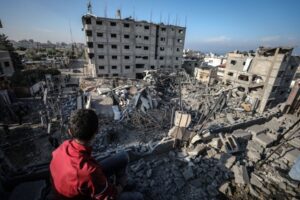
Widespread destruction of residential buildings as a large number of buildings are destroyed or severely damaged, making reconstruction urgent. As critical infrastructure (roads, water, electricity): must be urgently repaired or rebuilt so that basic services can return.
Read More Post-war construction and reconstruction in Gaza
What impact does the lack of basic services and humanitarian needs have on daily life in Gaza?
- Hunger and malnutrition
A large population suffers from a lack of food, with no access to calories or essential nutrients. This leads to poor general health, loss of energy, and increased vulnerability to diseases. Children are particularly vulnerable to long-term effects such as lack of physical and mental development and weakened immunity.
- Diseases and lack of medical care
Hospitals are overstretched, and there is an acute shortage of medicines and medical supplies, increasing the risk of patients dying. A weak water and sanitation system also increases the spread of infectious diseases, especially in overcrowded shelters. Stress due to lack of food, water and health care leads to psychological and behavioral problems, especially in children.
- Inappropriate shelter and weather exposure
Many residents live in tents or partially damaged buildings, making them vulnerable to cold and rain. Poor shelter affects sleep quality, physical and psychological health and increases the risk of disease during winter. Even the loss of privacy and security makes families less able to build a stable life.
- Fuel and energy scarcity
Fuel shortages hinder the operation of generators, water pumps, and heating systems. Power cuts affect the operation of hospitals, providing water, cooking and heating, adding to the suffering of the population. Some families resort to burning waste for heating or cooking, posing an additional health risk.
- Collapse of infrastructure
The destruction of basic infrastructure such as water, electricity and sanitation makes it more difficult to provide basic services to the population. Rehabilitation of these services is difficult, which increases the pressure on the population and makes daily life more difficult.

