
As winter enters, the suffering of Gaza’s residents, who face dire humanitarian conditions, is exacerbated by widespread destruction and frequent displacement. Houses that have been a safe haven in years past no longer exist, and temporary shelters offer minimal protection or warmth, making the winter season a daily challenge that threatens the lives of thousands of families.
The Winter Impact on Living Conditions in Gaza
More than 1.5 million Palestinians in Gaza live in dire conditions, where their homes have been destroyed, forcing them to flee to makeshift tents or damaged buildings that are not fit for human survival. These fragile shelters do not provide the necessary protection from extreme weather factors.
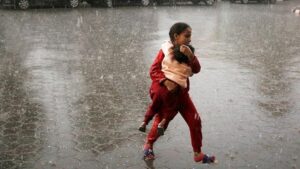
1. Camp collapse and winter risks to shelter
With the onset of the first weather depressions, these tents turn into water traps, where they are flooded with heavy rain, resulting in damage to personal property such as mattresses, blankets and food. This forces families to seek new shelter, increasing their suffering and displacement. The first air depression in November 2025 caused thousands of tents to sink and nearly 22,000 to collapse, affecting hundreds of thousands of families.
2. Health Deterioration and Public Health Threats
Health risks increase dramatically during the winter in Gaza, where extreme cold and lack of heating lead to widespread disease, especially among the most vulnerable groups such as children and the elderly.
- Prevalence of respiratory and infectious diseases
Respiratory diseases and influenza are seasonal diseases that spread rapidly under current conditions. Flood water pollution and poor sanitation also increase the risk of infectious diseases such as cholera and diarrhoea. Overcrowding in shelters and lack of hygiene contribute significantly to the spread of infection.
- Lack of medical supplies and health care
The health sector in Gaza suffers from a severe shortage of medicines and medical supplies, in addition to the destruction of many health facilities. This shortage makes it difficult to provide the necessary medical care for patients and makes the situation more dangerous for the lives of those affected.
3. Food insecurity and lack of basic necessities
Extreme winter conditions increase calorie consumption to keep the body warm, exacerbating the food insecurity experienced by millions in Gaza. Many people have reached critical levels of malnutrition.
- Lack of clothing and heating
Displaced people suffer from a severe shortage of winter clothing, blankets and heating. With these items banned for years, residents, especially children, are at risk of extreme cold, leading to serious health complications.
- Difficulty distributing aid
Poor weather conditions and restrictions on humanitarian access are hampering the delivery of essential supplies to those in need. This complexity exacerbates the crisis and makes relief efforts more difficult.
Read More Shelter crisis in post-war Gaza
Palestinian Families Suffer During Winter in Gaza
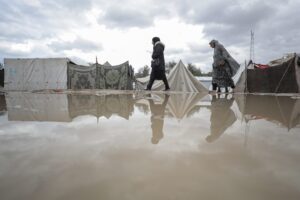
Entire families are living in dilapidated tents unable to cope with heavy rains and cold winds, with water easily seeping into them, and their surroundings turning into mud pools that hinder movement and increase health risks. They also lack access to heating, leading residents to rely on unsafe roads that can cause fires or suffocation.
With no power and no fuel, it is difficult for people to keep warm or even dry their wet clothes. Children are particularly vulnerable to colds and seasonal illnesses such as chest infections and flu, with poor health services and scarce medicines. The elderly and sick are at risk of health deterioration due to their inability to tolerate low temperatures.
The impact of harsh winters is not limited to the health aspect only, but extends to increase the psychological pressure on the population living in unstable conditions. Fear of tents collapsing or shelters sinking accompanies them throughout the night, adding to the trauma they experienced during the war.
This year's Gaza winter is not just a cold season, but a new one of human suffering. In the absence of radical solutions and the continued deterioration of the situation, Gazans continue to face winter with few possibilities and great patience, hoping that the future will bring them a measure of security and stability.
Read More Environmental and health conditions as a result of destruction

